Richard Dearlove: The Man Behind Britain’s Intelligence Power and Global Security Decisions

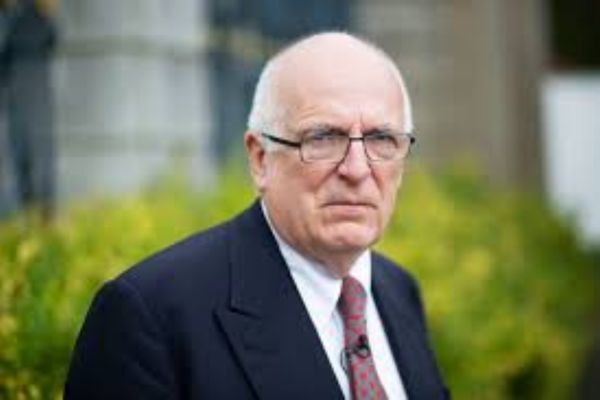
Introduction
In the shadowy world of intelligence and espionage, few names carry as much weight as Richard Dearlove. As a former chief of the United Kingdom’s Secret Intelligence Service (MI6), he played a pivotal role during some of the most critical moments in modern global history. From the Cold War to the War on Terror, his career reflects the complexities, responsibilities, and controversies of leading a nation’s intelligence operations.
Richard Dearlove is not merely a former spy chief; he is a figure who helped shape British foreign policy and intelligence strategy at the highest level. His tenure offers a unique insight into how governments make decisions based on classified information and how those decisions can influence the course of global events.
This article provides a comprehensive look into his life, career, achievements, controversies, and lasting influence on modern intelligence.
Early Life and Education
Childhood and Background
Richard Billing Dearlove was born on 23 January 1945 in Gorran Haven, a small coastal village in Cornwall, England. Growing up in post-war Britain, he experienced a period of rebuilding and transformation that would later influence his understanding of global politics.
His upbringing in a quiet rural environment contrasts sharply with the high-stakes world of espionage he would later enter.
Academic Journey
Dearlove pursued his higher education at Queens’ College, Cambridge, where he studied history. His academic background provided him with a deep understanding of international relations, political systems, and historical conflicts.
This foundation proved invaluable in his intelligence career, where knowledge of global affairs is essential.
Entry into MI6
Joining the Secret Intelligence Service
In 1966, Richard Dearlove joined MI6, the United Kingdom’s foreign intelligence agency. This marked the beginning of a long and distinguished career in espionage.
During this period, the world was deeply entrenched in the Cold War, and intelligence agencies played a crucial role in monitoring rival powers and preventing conflict.
Early Assignments
Dearlove’s early career involved postings in several key international locations, including Eastern Europe and Africa. These assignments required him to operate under diplomatic cover while gathering sensitive information.
His work demanded discretion, analytical thinking, and the ability to navigate complex political environments.
Rise Through the Ranks
Building a Reputation
Over the years, Dearlove earned a reputation for his professionalism and strategic thinking. He held various senior roles within MI6, gradually rising through the ranks.
His experience across different regions and operations made him a valuable asset to the organisation.
Chief of Operations
Before becoming the head of MI6, Dearlove served as Chief of Operations. In this role, he was responsible for overseeing intelligence activities worldwide.
This position placed him at the centre of global intelligence operations and prepared him for the responsibilities of leadership.
Leadership as Head of MI6
Appointment as “C”
In 1999, Richard Dearlove was appointed Chief of MI6, a position traditionally referred to as “C”. As the head of the agency, he was responsible for overseeing all foreign intelligence operations and advising the British government on security matters.
His leadership came at a time of significant global change, requiring adaptability and strong decision-making.
Responsibilities and Influence
As the head of MI6, Dearlove’s responsibilities included:
- Managing intelligence operations across the globe
- Coordinating with allied intelligence agencies
- Providing assessments to government leaders
- Addressing emerging security threats
His role placed him at the heart of national and international security decision-making.
Role in Major Global Events
The War on Terror
Richard Dearlove led MI6 during the early years of the War on Terror, following the attacks of 11 September 2001. This period marked a shift in global security priorities, with increased focus on counter-terrorism.
Under his leadership, MI6 worked closely with international partners to track and disrupt terrorist networks. Intelligence sharing and cooperation became essential components of this effort.
The Iraq War
One of the most defining and controversial aspects of Dearlove’s career was his involvement during the Iraq War in 2003.
Intelligence on Weapons of Mass Destruction
MI6 played a role in providing intelligence regarding Iraq’s alleged weapons of mass destruction. This intelligence was used by the British government as part of the justification for military action.
However, after the invasion, no such weapons were found, leading to widespread criticism and scrutiny.
Public and Political Backlash
The handling of intelligence during this period became a major topic of debate. Critics argued that the information was not sufficiently verified, raising questions about the role of intelligence agencies in shaping political decisions.
Despite this, Dearlove maintained that the intelligence was based on the best available information at the time.
Post-MI6 Career
Transition to Academia
After retiring from MI6 in 2004, Richard Dearlove moved into academia. He became the Master of Pembroke College, Cambridge, a prestigious position that he held for over a decade.
In this role, he focused on education, leadership, and mentoring the next generation of thinkers and professionals.
Public Speaking and Advisory Roles
Dearlove has remained active in public life, offering insights on global security and intelligence. He frequently participates in discussions, conferences, and think tanks.
His experience makes him a sought-after voice on issues such as:
- International security
- Terrorism
- Geopolitics
Views and Perspectives
Opinions on Global Security
Since leaving MI6, Dearlove has shared his views on various global issues. He has spoken about the evolving nature of threats, including cyber warfare and geopolitical tensions.
His perspectives often reflect a deep understanding of intelligence operations and international relations.
Criticism of Policy Decisions
At times, Dearlove has expressed criticism of certain government policies and strategies. His comments highlight the challenges of balancing security with political considerations.
These views contribute to ongoing debates about the effectiveness of intelligence-led decision-making.
Controversies and Criticism
Iraq War Intelligence
The most significant controversy associated with Richard Dearlove remains the intelligence used to justify the Iraq War.
Investigations and inquiries examined the role of intelligence agencies, including MI6, in providing information to policymakers. While some defended the actions taken, others argued that the situation revealed flaws in the intelligence process.
Ethical Questions
Dearlove’s career also raises broader ethical questions about intelligence work, such as:
- The reliability of sources
- The interpretation of data
- The responsibility of agencies in influencing policy
These issues continue to be relevant in modern intelligence practices.
Honours and Recognition
Richard Dearlove has received several honours in recognition of his service to the United Kingdom.
These include knighthood and other prestigious awards, reflecting his contributions to national security and public service.
Such recognition underscores the importance of his role in safeguarding the country during critical periods.
Legacy and Impact
Influence on Intelligence Practices
Dearlove’s leadership helped shape modern intelligence practices, particularly in areas such as international cooperation and counter-terrorism.
His tenure demonstrated the importance of adaptability in responding to changing global threats.
Lasting Significance
Despite controversies, Richard Dearlove remains a significant figure in the history of British intelligence. His career provides valuable lessons on the complexities of intelligence work and the impact of decisions made behind closed doors.
His experiences continue to inform discussions about the role of intelligence agencies in a rapidly changing world.
Conclusion
Richard Dearlove’s career offers a fascinating glimpse into the world of espionage, leadership, and global security. From his early days in MI6 to his role as its chief, he navigated some of the most challenging and consequential moments in recent history.
While his tenure was not without controversy, it highlights the difficult balance between intelligence, politics, and public accountability. His contributions to national security and his insights into global affairs ensure that his legacy remains relevant.
In understanding Richard Dearlove, we gain a deeper appreciation of the unseen forces that shape international relations and the individuals who operate at the heart of those decisions