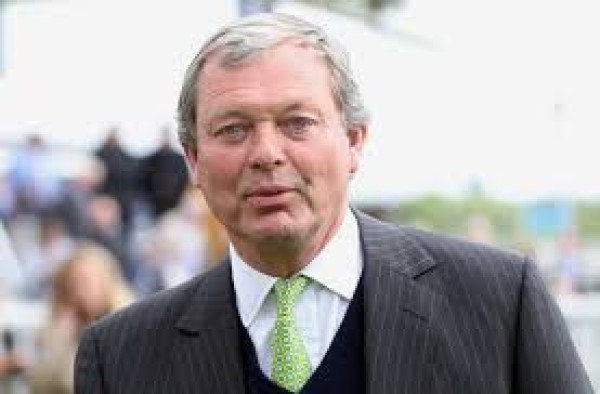
When it comes to the world of British flat racing, few names resonate as strongly as William Haggas. Renowned for his precision, consistency, and remarkable track record, Haggas has become synonymous with elite horse training. From producing classic winners to working with royal patrons, his career spans decades of dedication, skill, and innovation.
Who is William Haggas?
William Haggas is a British racehorse trainer specialising in flat racing, operating from Somerville Lodge in Newmarket, Suffolk. Born on 23 August 1960 in Skipton, North Yorkshire, Haggas developed an early interest in equestrian activities and sports, particularly horse racing and cricket. His upbringing and early exposure to racing gave him the foundations to become one of the most respected trainers in the UK.
Haggas is also known for his personal connection to racing royalty. He is the son-in-law of Lester Piggott, a legendary jockey, further linking him to the heart of British racing tradition. This connection provided not only insights into the sport but also a network that has helped him access top-quality horses and owners.
The Journey to Becoming a Top Trainer
Early Career and Training Foundations
William Haggas began his career under the mentorship of leading trainers such as John Winter and Sir Mark Prescott, learning the intricate details of horse conditioning, race preparation, and stable management. These formative years were crucial, allowing him to observe successful training techniques and the discipline required at the highest levels of racing.
In April 1987, Haggas secured his first winner with the horse Tricky Note, marking the beginning of his professional success. This initial victory was modest but signalled the start of a career that would grow to encompass some of the finest thoroughbreds in the world.
Training Philosophy
Haggas is known for his meticulous approach to training, blending traditional methods with modern innovations. He emphasises the importance of understanding each horse’s individual temperament and capabilities. This personalised approach has often been cited by jockeys and owners as a key factor in the consistent success of his horses.
Key elements of his training philosophy include:
-
Careful monitoring of horse fitness and diet
-
Tailored exercise routines for each horse
-
Strategic race placement based on form and ability
-
Emphasis on mental as well as physical conditioning
This combination of science and intuition allows Haggas to consistently produce horses capable of competing at the highest level, both nationally and internationally.
Somerville Lodge: The Hub of Excellence
Somerville Lodge, Haggas’ base in Newmarket, is more than just a training facility—it is a centre of excellence for racehorse development. Equipped with modern training tools, including gallops, treadmills, and spa facilities, the stable ensures horses are prepared for every aspect of their racing careers.
Haggas’ operation at Somerville Lodge also benefits from highly skilled staff, including stable managers, exercise riders, and veterinarians. This professional environment ensures that horses are not only trained effectively but also maintained in optimal health, contributing to their longevity and performance on the track.
Major Achievements and Classic Winners
Triumphs in British Flat Racing
Over the decades, William Haggas has trained numerous Group 1 winners and classic race champions. Some of the most notable successes include:
-
Shaamit, winner of the Epsom Derby in 1996
-
Dancing Rain, victorious in the Epsom Oaks in 2011
-
Baaeed, unbeaten multiple Group 1 winner and Cartier Horse of the Year
These victories demonstrate Haggas’ ability to prepare horses for the most prestigious events in British racing. His skill in identifying talent and maximising performance has earned him a reputation as a trainer capable of delivering results when it matters most.
International Success
Haggas’ influence is not confined to the UK. He has also enjoyed success on the international stage, preparing horses for races across Europe and beyond. These campaigns often require careful planning to adjust to different tracks, climates, and competition levels, yet Haggas’ strategic approach has yielded significant triumphs abroad.
William Haggas’ Runners and Entries
One of the hallmarks of Haggas’ career is his ability to manage multiple runners effectively. Each season, he fields a carefully curated selection of horses, placing them in races that suit their abilities and potential. From maiden races to high-profile Group 1 events, his entries are meticulously chosen to balance risk, development, and success.
Today, Haggas’ stable routinely features a mix of young talent and proven performers. Horses like Sea Force, First Principle, and Carbine Country have all been strategically entered in competitive races, demonstrating the trainer’s careful planning and foresight.
Preparing Horses for Peak Performance
Haggas’ preparation methods involve both physical and mental conditioning. His horses follow structured routines that include:
-
Daily gallops and interval training
-
Diet and supplementation tailored to individual needs
-
Recovery sessions with modern equine therapy techniques
-
Simulation of race conditions to build resilience
This detailed approach ensures that every horse is capable of performing at its best on race day, with minimal risk of injury or burnout.
Royal Patronage and High-Profile Clients
In 2013, William Haggas was appointed to the royal roster of trainers, a prestigious honour reflecting his standing in British racing. Training for Queen Elizabeth II and other high-profile owners requires not only skill but discretion, professionalism, and the ability to maintain the highest standards of care.
Training for royal and elite clients has elevated Haggas’ profile, highlighting his ability to handle pressure and deliver results at the very top level of the sport.
Net Worth and Financial Overview
While William Haggas’ precise finances are private, public estimates suggest his net worth exceeds £1 million, accrued from years of training prize-winning horses and managing a successful racing operation. His income is largely derived from training fees, prize money, and bonuses from owners, reflecting the success and reputation he has built over decades.
Legacy and Influence
William Haggas’ impact extends beyond individual race wins. He has influenced the next generation of trainers and riders, emphasising the importance of knowledge, discipline, and a deep understanding of horses. His career demonstrates that success in racing is not just about talent but about dedication, planning, and a lifelong commitment to excellence.
Notable Horses and Career Highlights
Some of Haggas’ most successful horses include:
-
Baaeed – Multiple Group 1 wins, including the Queen Elizabeth II Stakes
-
Sea of Class – Known for stamina and classic distance performance
-
Dancing Rain – Epsom Oaks winner, highlighting Haggas’ ability with fillies
-
One Master – Sprint champion with multiple top-level victories
Each horse reflects Haggas’ ability to tailor training methods to maximise potential, reinforcing his status as one of the UK’s top trainers.
Conclusion: A Trainer of Distinction
William Haggas represents the pinnacle of British flat racing training. Through decades of dedication, strategic planning, and an unwavering commitment to excellence, he has established himself as a master of the sport. His horses consistently perform at the highest levels, his stable operates with precision and professionalism, and his legacy continues to inspire the racing world.
Whether preparing classic winners, training for royal patrons, or producing the next generation of champions, Haggas embodies the essence of elite horse training. For anyone interested in British racing, his career offers a masterclass in skill, patience, and the art of preparing thoroughbreds for greatness.