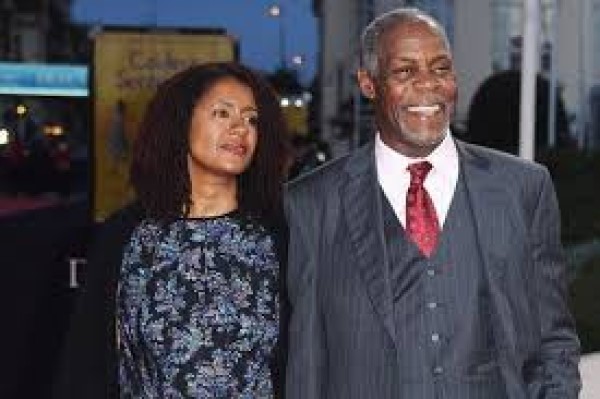
Asake Bomani: The Cultural Visionary Behind Art, Literature, and Social Heritage

Table of Contents
ToggleIntroduction
The name Asake Bomani is associated with cultural preservation, literary excellence, and artistic advocacy. Although many people recognise her through her former marriage to acclaimed actor Danny Glover, Bomani’s individual achievements extend far beyond this connection. She is a writer, cultural historian, and former jazz vocalist whose work has contributed significantly to documenting and celebrating the global Black artistic experience.
Her contributions highlight the importance of heritage, identity, and artistic expression within the African-American and Caribbean diaspora. This article explores her early life, artistic journey, literary accomplishments, personal life, and lasting influence.
Early Life and Cultural Roots
Childhood and Background
Asake Bomani was born on 1 July 1945 in the United States during a period marked by social transformation and civil rights activism. Growing up in a culturally rich yet politically turbulent era shaped her understanding of identity, race, and cultural heritage.
Her upbringing fostered a deep appreciation for music, storytelling, and community traditions. These influences would later shape her artistic voice and scholarly pursuits.
Cultural Identity and Influences
Bomani’s work reflects a strong connection to African heritage and diaspora culture. She became deeply interested in how art and literature could preserve cultural identity, especially for communities navigating displacement and marginalisation.
This passion later defined her professional path and scholarly work.
Musical Beginnings: A Journey Through Jazz
Early Musical Career
Before gaining recognition as a writer and cultural historian, Asake Bomani pursued a career as a jazz vocalist. Jazz, deeply rooted in African-American history, provided her with an expressive platform to explore cultural identity and artistic storytelling.
Her performances were known for emotional depth and authenticity, reflecting both personal experience and collective heritage.
The Influence of Jazz on Her Later Work
Jazz shaped Bomani’s artistic sensibilities and narrative style. The improvisational nature of the genre influenced her writing voice, allowing her to approach cultural history with rhythm, emotion, and nuance.
Her transition from music to writing did not represent a departure but rather an evolution of artistic expression.
Literary Achievements and Cultural Scholarship
Documenting Black Artistic Heritage
Asake Bomani gained recognition for her literary work documenting African-American and Caribbean artists living abroad. Her writing captures the experiences of artists who found creative freedom and recognition outside the United States.
Paris Connections: A Landmark Work
Her most notable book, Paris Connections: African American & Caribbean Artists in Paris, explores the lives and contributions of Black artists who relocated to Paris to escape racial barriers and pursue creative opportunities.
Why Paris Became a Cultural Haven
Paris emerged as a refuge for Black artists during the 20th century. Bomani’s work highlights how the city offered:
-
Greater artistic freedom
-
Social acceptance compared to segregation-era America
-
Opportunities for international recognition
-
Cross-cultural collaboration
Her research preserved the stories of artists whose contributions might otherwise have been overlooked.
Recognition and Awards
Bomani’s literary contributions earned critical acclaim and cultural recognition. Her work received the American Book Award in 1993, acknowledging its importance in documenting underrepresented artistic narratives.
This recognition reinforced her role as a cultural historian dedicated to preserving diaspora heritage.
Marriage and Family Life
Relationship with Danny Glover
Asake Bomani married actor Danny Glover in 1975. During their 25-year marriage, the couple shared a commitment to social justice, activism, and cultural advocacy.
Glover, known for his work in film and humanitarian causes, often spoke about social responsibility and community empowerment — values that aligned closely with Bomani’s cultural mission.
Motherhood and Personal Life
The couple welcomed a daughter, Mandisa Glover, in 1976. Bomani balanced family responsibilities with professional and cultural work, demonstrating resilience and dedication.
Despite their divorce in 2000, Bomani maintained a private life focused on intellectual and cultural pursuits.
Advocacy for Cultural Preservation
Championing Diaspora Narratives
Bomani’s work serves as an important archive of diaspora creativity. By documenting artists’ experiences abroad, she preserved stories that might otherwise be absent from mainstream history.
Her efforts emphasise the importance of recording cultural contributions from marginalised communities.
Education and Cultural Awareness
Beyond writing, Bomani has contributed to cultural education through lectures, discussions, and advocacy. Her work encourages deeper understanding of:
-
Diaspora identity
-
Cultural migration
-
Artistic freedom
-
Cross-cultural exchange
These themes remain highly relevant in an increasingly globalised world.
The Importance of Representation in Art and History
Breaking Historical Silences
Historically, many Black artists working internationally were excluded from dominant narratives. Bomani’s work challenged this erasure by documenting their achievements and contributions.
Her scholarship ensures future generations can access a more inclusive cultural history.
Inspiring Future Cultural Historians
Bomani’s dedication continues to inspire researchers, writers, and artists seeking to preserve cultural heritage. Her work demonstrates that documenting lived experiences is essential to preserving identity and artistic legacy.
Public Recognition and Cultural Impact
A Quiet Yet Powerful Legacy
Unlike many public figures, Asake Bomani has maintained a low public profile. However, her impact remains significant within academic, artistic, and cultural communities.
Her work continues to be referenced in discussions about diaspora art and cultural migration.
Influence on Modern Cultural Studies
Today, her research remains relevant in fields such as:
-
African-American studies
-
Diaspora studies
-
Cultural anthropology
-
Art history
-
Migration studies
Scholars and educators continue to draw upon her insights when examining the global influence of Black artists.
Common Confusion Surrounding the Name
It is important to clarify that Asake Bomani is sometimes mistakenly associated with Nigerian Afrobeats star Asake. However, they are entirely different individuals.
Bomani is an American author and cultural historian, while Asake is a contemporary music artist from Nigeria.
Legacy and Enduring Influence
Preserving Cultural Memory
Asake Bomani’s work serves as a bridge between generations, ensuring that the artistic contributions of diaspora communities remain recognised and valued.
Her dedication to cultural preservation highlights the importance of storytelling in shaping historical understanding.
Relevance in Today’s Global Cultural Landscape
In an era marked by migration, global exchange, and identity exploration, Bomani’s work remains profoundly relevant. Her documentation of artists navigating identity and belonging resonates with modern audiences worldwide.
Conclusion
Asake Bomani stands as a cultural visionary whose work preserved important chapters of Black artistic history. From her early career as a jazz vocalist to her influential literary contributions, she has dedicated her life to celebrating diaspora identity and artistic expression.
Her scholarship not only honours the legacy of African-American and Caribbean artists but also ensures their stories continue to inspire future generations.
Through her commitment to cultural preservation, education, and artistic advocacy, Asake Bomani remains an essential figure in understanding the global influence of Black creativity and heritage.
Her legacy reminds us that documenting culture is more than preserving the past — it is empowering the future.