Introduction
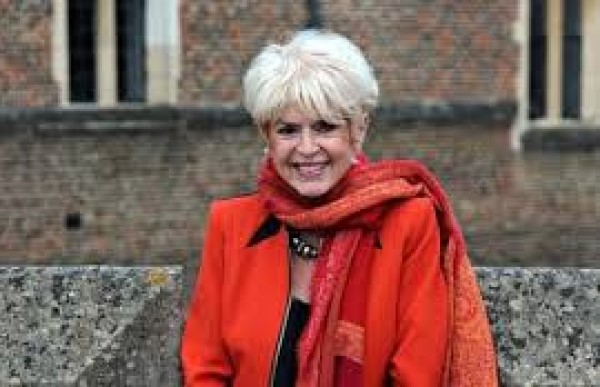
Gloria Hunniford is a name synonymous with grace, professionalism, and compassion in British broadcasting. Over the decades, she has carved out a remarkable career as a television and radio presenter, as well as a singer, leaving an indelible mark on audiences across the United Kingdom. Beyond her professional accomplishments, Gloria is admired for her charitable work and her unwavering dedication to family, particularly following the tragic loss of her beloved daughter. This article delves deep into the life, career, and legacy of Gloria Hunniford, providing insights into her achievements, personal journey, and enduring influence on UK media.
Early Life and Background
Gloria Hunniford was born on 10 April 1940 in Portadown, Northern Ireland. Her full name is Mary Winifred Gloria Hunniford. Growing up in Northern Ireland, she developed an early interest in the arts, particularly music and performance. Gloria began her career as a singer in the 1960s, performing in various clubs and venues. Her natural charisma and eloquence on stage soon drew attention, and she transitioned into broadcasting, where she would find her true calling.
Her Northern Irish upbringing instilled in her a sense of resilience and empathy, qualities that would later define her approach to journalism and public engagement. This early foundation set the stage for a broadcasting career that would span more than half a century.
Career in Broadcasting
Early Radio Work
Gloria Hunniford began her broadcasting career in radio, working initially with Ulster Television and later branching out to national radio programmes. She quickly gained recognition for her warm, approachable style and her ability to connect with listeners on a personal level. Her radio work allowed her to explore a wide range of topics, from current affairs to human interest stories, earning her a reputation as a trusted voice in British media.
Transition to Television
In the 1970s, Gloria transitioned to television, a move that would define her career. She hosted several programmes on both the BBC and ITV, covering news, consumer affairs, and lifestyle topics. Notable shows include Rip Off Britain, where she investigated consumer complaints and provided viewers with essential advice, and Loose Women, a popular daytime talk show where she discussed social and personal issues with fellow presenters and guests.
Gloria also made appearances on This Morning and The One Show, demonstrating her versatility and ability to engage with audiences across a variety of formats. Her calm demeanour, combined with her insightful questioning, made her a favourite among viewers and colleagues alike.
Contributions to Entertainment
Aside from her serious journalism, Gloria has been involved in entertainment projects, showcasing her singing talent and her lighthearted, personable style. In 2005, she took part in Strictly Come Dancing, demonstrating her willingness to embrace new challenges and connect with audiences in a different capacity. This participation highlighted her multi-faceted talents and her enduring popularity.
Awards and Recognition
Gloria Hunniford’s contributions to broadcasting and charity have not gone unnoticed. She was awarded the OBE (Officer of the Order of the British Empire) in 2017 for her services to cancer charities, reflecting her dedication to using her public profile for good. She has also been honoured by local communities in Northern Ireland for her longstanding contributions to media and society.
Personal Life
Family and Relationships
Gloria’s personal life has been marked by love, loss, and resilience. She married Don Keating in 1970, and the couple had three children: Caron, Paul, and Michael Keating. The marriage ended in 1992, and Gloria later married Stephen Way in 1998. Sadly, Stephen passed away in 2024.
Daughter Caron Keating
Perhaps one of the most significant and heart-wrenching aspects of Gloria’s life was the illness and passing of her daughter, Caron Keating, a talented television presenter best known for her work on Blue Peter. Caron was diagnosed with breast cancer and passed away in 2004 at the age of 41. Gloria’s grief was profound, but she transformed her loss into purpose by founding the Caron Keating Foundation, a charity dedicated to supporting cancer patients and their families. Through this work, Gloria has helped thousands, ensuring her daughter’s legacy continues to make a positive impact.
Personal Qualities
Gloria is widely admired for her compassion, resilience, and dedication to others. Her ability to remain poised and empathetic in both personal and professional challenges has earned her respect across the broadcasting industry. These qualities are evident not only in her interviews and television appearances but also in her charitable endeavours and public speaking engagements.
Net Worth and Career Achievements
Gloria Hunniford’s long career has contributed to an estimated net worth of around £5 million. Her wealth comes from her extensive work in television and radio, her books, public appearances, and other media projects. More importantly, her real success lies in the impact she has had on viewers and the broader community, particularly through her charitable work.
Career Highlights
-
Hosting Rip Off Britain, helping consumers understand and fight unfair practices.
-
Regular appearances on Loose Women, discussing contemporary social and personal issues.
-
Presenting on BBC Radio 2, reaching millions of listeners with her warm, knowledgeable approach.
-
Competing on Strictly Come Dancing, showing versatility and courage in embracing new challenges.
-
Founding the Caron Keating Foundation, supporting cancer patients and raising awareness of breast cancer.
Gloria’s career is characterised by a blend of professionalism, warmth, and authenticity, which has allowed her to remain relevant and respected for decades.
Legacy and Influence
Influence on Broadcasting
Gloria Hunniford has influenced a generation of broadcasters through her work. Her interviewing style, grounded in empathy and thorough research, is considered a model for journalists and presenters. She has demonstrated that professionalism and approachability can coexist, inspiring both colleagues and aspiring media professionals.
Charitable Work
Beyond broadcasting, Gloria’s legacy is strongly linked to her charitable efforts. The Caron Keating Foundation continues to support cancer research, patient care, and family assistance programmes. Gloria’s dedication to philanthropy underscores her belief in using one’s platform for meaningful change, further cementing her status as an influential public figure.
Public Recognition
Gloria remains a respected figure in UK media, celebrated for her decades of service and her personal strength. Audiences continue to appreciate her honesty, insight, and the compassion she brings to both her work and her charitable endeavours.
Conclusion
Gloria Hunniford’s life and career are a testament to dedication, resilience, and the power of using public influence for good. From her early days as a singer in Northern Ireland to becoming one of the UK’s most beloved broadcasters, she has consistently demonstrated professionalism, empathy, and authenticity. Her work has touched millions of lives, whether through her television programmes, her radio broadcasts, or her charitable initiatives.
Despite personal losses, including the tragic death of her daughter and the passing of her husband, Gloria has remained a figure of strength and inspiration. Her enduring popularity, impressive career achievements, and commitment to philanthropy ensure that her legacy will continue to influence the world of broadcasting and beyond for generations to come.