Fergal Keane: The Fearless Voice of Conscience in Modern War Reporting

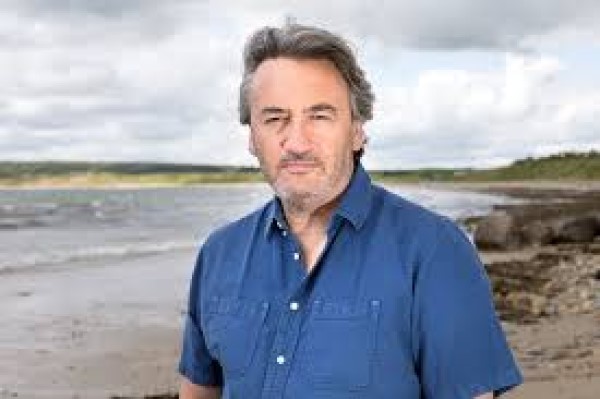
Table of Contents
ToggleIntroduction
Fergal Keane is one of the most respected and emotionally powerful journalists of his generation. Known for his compassionate reporting from some of the world’s most violent conflict zones, he has built a career defined not only by courage but by humanity. Over nearly four decades, Fergal Keane became synonymous with deeply personal, morally reflective journalism — a style that brought global crises into British living rooms with honesty and empathy.
This article explores Fergal Keane’s life, career, marriage, books, awards and enduring legacy, offering a comprehensive and informative overview of the celebrated Irish broadcaster and author.
Early Life and Background of Fergal Keane
Childhood and Family Roots
Fergal Keane was born on 6 January 1961 in London to Irish parents and was raised in Dublin and Cork. He comes from a family with a strong literary heritage. His father, the late Irish writer John B. Keane, was a renowned playwright and novelist. Growing up in such an environment fostered Fergal’s deep appreciation for storytelling, language and social commentary.
However, his childhood was not without difficulty. Keane has spoken openly about the challenges within his family, including struggles with alcoholism. These early experiences would later influence his emotional insight as a reporter and memoirist.
Education and Early Journalism
He began his journalism career in Ireland, working for regional newspapers before moving into broadcasting. His early work laid the foundation for what would become an extraordinary international reporting career.
Career at the BBC: A Global Correspondent
Joining the BBC
Fergal Keane joined the BBC in 1989. Over the years, he served in several major roles, including Northern Ireland correspondent, South Africa correspondent, Asia correspondent and Special Correspondent. His work often took him to the heart of global crises.
Reporting the End of Apartheid
One of the defining chapters of his career was covering the final years of apartheid in South Africa. Reporting during a time of deep political upheaval, Keane witnessed the election of Nelson Mandela and the birth of a new democratic nation. His reporting from South Africa was widely praised for its balance and emotional depth.
The Rwandan Genocide
Perhaps the most significant and harrowing moment in Fergal Keane’s career was his coverage of the 1994 Rwandan genocide. He was one of the first international journalists to report from the aftermath of the atrocities. His documentary work and written accounts gave voice to survivors and exposed the horrors of the violence to the world.
His reporting from Rwanda earned him international acclaim and cemented his reputation as one of the most courageous correspondents of his era.
Reporting from Conflict Zones
Throughout his career, Keane reported from Afghanistan, Iraq, Asia and parts of Africa. Whether covering war, political unrest or humanitarian disasters, he maintained a distinctive style — reflective, compassionate and deeply human.
Fergal Keane’s Books: A Literary Contribution
Beyond broadcasting, Fergal Keane is an accomplished author. His books combine reportage, memoir and historical analysis.
Season of Blood: Rwandan Journey
This book explores his experiences in Rwanda and offers a powerful narrative account of the genocide. It remains one of the most important works written by a journalist on the tragedy.
Letter to Daniel
Written as a series of letters to his infant son, this deeply personal book reflects on fatherhood, war and moral responsibility. It showcases Keane’s sensitive, introspective writing style.
All of These People: A Memoir
In this memoir, Keane reflects on his childhood, family relationships and the psychological impact of his reporting career.
Road of Bones: The Siege of Kohima 1944
A historical work, this book tells the story of the Battle of Kohima during the Second World War. It reveals Keane’s interest in military history and his ability to blend research with narrative storytelling.
Wounds: A Memoir of War and Love
This candid memoir explores his struggles with post-traumatic stress disorder (PTSD), love, family and survival. It is one of his most personal works.
Fergal Keane’s Wife and Family Life
Is Fergal Keane Still Married?
Yes, Fergal Keane is married to Anne Frances Flaherty. The couple married in 1986 and have two children together. Anne Frances Flaherty is also a journalist, and their shared understanding of media life has played a significant role in sustaining their marriage.
Despite spending long periods reporting abroad, Keane has often spoken about the importance of family. His book Letter to Daniel demonstrates his deep affection for his children and his concern about the world they are growing up in.
Balancing Family and War Reporting
Balancing frontline journalism with family responsibilities was never easy. Keane has acknowledged that the emotional toll of conflict reporting affected his personal life. Yet his openness about these struggles has helped humanise journalists and highlight the unseen costs of war correspondence.
Mental Health and PTSD
Speaking Openly About Trauma
One of the most important aspects of Fergal Keane’s legacy is his openness about mental health. After decades of reporting from conflict zones, he developed post-traumatic stress disorder. Rather than hide it, he spoke publicly about his condition.
His honesty helped reduce stigma surrounding PTSD, particularly within journalism and broadcasting. By sharing his experiences, he encouraged others to seek help and discuss mental health openly.
Stepping Back from Frontline Reporting
In later years, Keane stepped back from some of the most dangerous assignments to prioritise his wellbeing. This decision marked a significant shift in conversations about journalist safety and psychological health.
Awards and Recognition
Fergal Keane’s work has been recognised with numerous prestigious awards. These include major journalism prizes for both television and radio reporting. He has received honours for his documentaries and war correspondence, reflecting the impact of his storytelling.
In recognition of his services to journalism, he was appointed an Officer of the Order of the British Empire (OBE). His career is widely regarded as one of integrity, bravery and compassion.
Writing Style and Influence
A Reporter with Empathy
What distinguishes Fergal Keane from many contemporaries is his moral voice. He does not simply report facts; he reflects on the human consequences behind them. His writing is lyrical yet precise, emotional yet measured.
Influence on Modern Journalism
Many younger journalists cite Keane as an inspiration. His commitment to ethical reporting and his refusal to sensationalise suffering have set a standard within British broadcasting.
He demonstrated that journalism could be both rigorous and humane — a lesson that remains crucial in today’s fast-paced digital news environment.
Recent Developments
After more than 35 years with the BBC, Fergal Keane announced his departure to focus on new writing projects. His decision marked the end of an era in British foreign correspondence.
However, his voice continues through books, essays and public speaking. His contribution to journalism remains deeply influential.
The Legacy of Fergal Keane
Fergal Keane’s legacy is not measured solely in awards or broadcast reports. It is measured in the lives he documented, the injustices he exposed and the compassion he demonstrated.
He transformed war reporting into something more reflective and morally conscious. His willingness to show vulnerability — whether discussing PTSD or family life — made him not just a reporter but a relatable human presence.
In an age where journalism often faces criticism and mistrust, Keane stands as a reminder of its highest purpose: to bear witness, to inform truthfully and to protect the dignity of those whose stories are told.
Conclusion
Fergal Keane remains one of the most important figures in modern British and Irish journalism. From his courageous coverage of the Rwandan genocide to his deeply personal memoirs, his work continues to resonate with readers and viewers alike.
Married to Anne Frances Flaherty and a devoted father, he has balanced professional excellence with personal reflection. His books, including Season of Blood, Letter to Daniel and Wounds, reveal a writer who understands both global conflict and the fragile human heart.
As journalism evolves, the example set by Fergal Keane endures — a powerful blend of bravery, conscience and compassion.