Melba toast: Why Melba Toast Still Reigns in Modern Diets

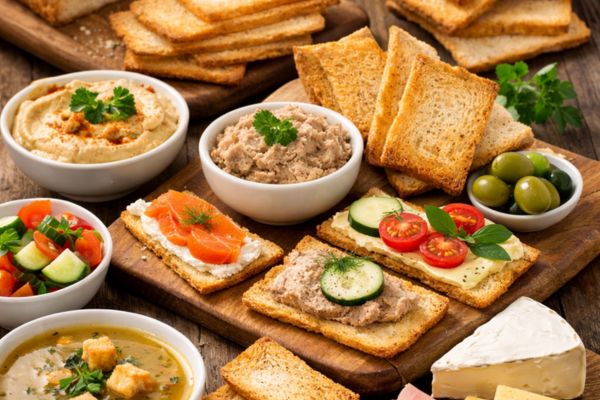
Table of Contents
ToggleIntroduction
When it comes to simple yet sophisticated foods, few items manage to stay relevant across generations. One such classic is Melba toast. Light, crisp, and incredibly versatile, it has quietly held its place in kitchens, restaurants, and diet plans for decades.
At first glance, it may seem like just another type of toast, but there is far more to it than meets the eye. From its refined origins to its modern-day health appeal, Melba toast offers a unique blend of history, nutrition, and convenience.
Let’s break it down in a simple way so you can truly understand why this humble crispbread continues to stand out.
What is Melba Toast?
Melba toast is a very thin slice of bread that is toasted twice to achieve its signature crisp texture. Unlike regular toast, which remains slightly soft inside, Melba toast is completely dry and crunchy.
Think of it like this:
Normal toast is soft in the middle, but Melba toast is crisp all the way through, almost like a delicate cracker.
This texture is achieved by slicing bread thinly, toasting it, then splitting it and toasting it again. The result is a golden, brittle piece of toast that snaps easily and pairs well with a wide variety of foods.
The Fascinating History Behind Melba Toast
Melba toast is not just a random invention; it has a story rooted in fine dining and care.
It was created by the famous French chef Auguste Escoffier for the Australian opera singer Dame Nellie Melba.
At the time, she was recovering from illness and needed something light and easy to digest. Escoffier crafted this thin, crisp toast as a gentle yet nourishing food.
He named it in her honour, and just like that, Melba toast was born.
So every time you eat it, you’re actually enjoying something that started in a high-class kitchen with a personal touch.
How Melba Toast is Made
The Basic Process
Making Melba toast is surprisingly simple, yet it requires a bit of precision:
- Start with a loaf of white or wholemeal bread
- Slice it thinly
- Toast the slices lightly
- Split each slice horizontally
- Toast again until crisp and golden
That second toasting step is what makes all the difference.
Why It’s Double-Toasted
The double-toasting removes almost all moisture from the bread. This is what gives Melba toast its light weight, long shelf life, and distinct crunch.
It’s basically bread taken to its crispiest form.
Nutritional Value of Melba Toast
Melba toast is often associated with healthy eating, and for good reason.
Low in Calories
Because it is thin and dry, it contains fewer calories than regular bread. This makes it a popular choice for people trying to manage their weight.
Low in Fat
On its own, Melba toast contains very little fat. Of course, what you add on top can change that.
Light and Easy to Digest
Its dry texture makes it easy on the stomach, which is why it is sometimes recommended during illness or recovery.
Portion Control Made Easy
Each piece is small and defined, so it’s easier to keep track of how much you’re eating.
Why Melba Toast is Popular in Diets
Melba toast often appears in diet plans, especially those focused on calorie control.
Helps with Weight Management
Because it is low in calories and quite filling when paired with toppings, it can help reduce overall food intake.
A Better Alternative to Snacks
Instead of reaching for fried snacks or biscuits, Melba toast provides a lighter option.
Supports Balanced Eating
You can pair it with healthy toppings like cottage cheese, avocado, lean meats, or fresh vegetables.
So instead of just cutting food, you’re actually building a better plate.
Common Ways to Eat Melba Toast
One of the best things about Melba toast is how versatile it is.
With Spreads
You can keep it simple with butter, jam, or peanut butter.
With Savoury Toppings
It works beautifully with cheese, hummus, smoked salmon, or cream cheese.
As a Side Dish
It’s often served alongside soups and salads.
Imagine having a warm bowl of soup and dipping a crunchy piece of Melba toast into it. That contrast in texture just makes the whole meal better.
Melba Toast vs Regular Toast
Let’s make this super clear with a quick comparison.
Texture
Regular toast is soft inside and crisp outside, while Melba toast is completely crisp.
Thickness
Regular toast is thick, whereas Melba toast is very thin.
Calories
Regular toast has more calories, while Melba toast is lighter.
Use
Regular toast is mainly for breakfast, but Melba toast works as a snack, appetiser, or diet-friendly option.
So if you’re looking for something lighter and crunchier, Melba toast wins easily.
Can You Make Melba Toast at Home?
Yes, and it’s actually quite easy.
Simple Method
Take a slice of bread, toast it lightly, slice it horizontally into two thin layers, then toast again until crisp.
That’s it.
Quick Tip
Use slightly stale bread for better results. Fresh bread can be too soft and harder to slice thinly.
Making it at home also allows you to control the type of bread, the level of crispness, and the portion size.
Is Melba Toast Suitable for Everyone?
While it is generally a healthy option, there are a few things to keep in mind.
Gluten Content
Melba toast is made from wheat bread, so it is not suitable for people with gluten intolerance unless you use gluten-free bread.
Toppings Matter
The toast itself is light, but heavy toppings can quickly add calories. For example, loading it with butter or creamy spreads can reduce its health benefits.
Not Very Filling Alone
Because it is so light, eating it alone may not keep you full for long. Pairing it with protein or fibre-rich foods is a better choice.
Modern Uses of Melba Toast
Even today, Melba toast is used in many creative ways.
In Fine Dining
Restaurants often use it as a base for elegant appetisers.
In Healthy Eating Plans
It is still a favourite in calorie-controlled diets.
In Everyday Snacking
People use it as a quick, no-fuss snack that doesn’t feel heavy.
It’s one of those foods that quietly adapts to every lifestyle.
Why Melba Toast Still Matters Today
You might wonder why something so simple has lasted this long.
The answer is easy.
People want food that is light, convenient, versatile, and not too heavy.
Melba toast ticks all those boxes without trying too hard.
It’s not trendy, but it’s reliable, and sometimes that’s exactly what people need.
Conclusion
Melba toast may look simple, but it carries a rich history, practical benefits, and surprising versatility. From its creation by Auguste Escoffier for Dame Nellie Melba to its place in modern diets, it has proven that even the most basic foods can stand the test of time.
Whether you’re trying to eat healthier, looking for a light snack, or just want something crunchy with your soup, Melba toast is a smart and easy choice.
Sometimes, the simplest foods are the ones that stay with us the longest, and Melba toast is a perfect example of that.