Mentaiko: Why Mentaiko is Taking Over Modern Cuisine

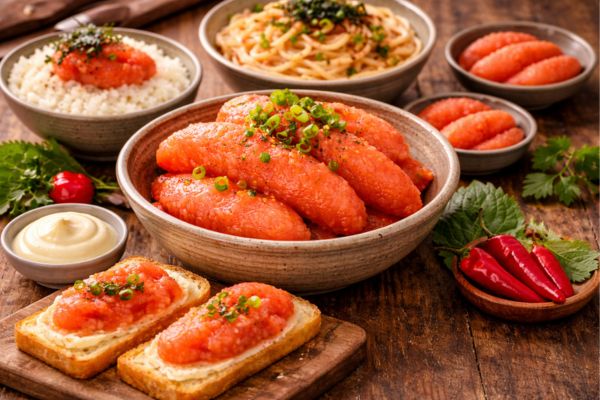
Table of Contents
ToggleIntroduction
If you have ever tried Japanese food beyond sushi, there is a good chance you have come across something surprisingly flavourful yet slightly mysterious — Mentaiko. At first glance, it may not look like much, but once you taste it, you realise why it has become such a favourite in kitchens around the world.
Mentaiko is one of those ingredients that can instantly transform a simple dish into something rich, exciting, and deeply satisfying. Whether it is mixed into pasta, served with rice, or spread over toast, its unique flavour makes it stand out.
Let’s explore what makes Mentaiko so special and why it continues to grow in popularity.
What is Mentaiko?
Mentaiko refers to marinated pollock roe, which are small fish eggs that have been seasoned with salt, chilli, and various spices. The result is a slightly spicy, savoury ingredient packed with umami flavour.
Unlike plain fish roe, Mentaiko is known for its bold taste and creamy texture. Each tiny egg bursts with flavour, creating a rich and slightly briny experience.
To put it simply, if plain fish roe is mild and simple, Mentaiko is its more exciting and flavourful version.
The Origins of Mentaiko
Although Mentaiko is widely associated with Japan, its roots trace back to Korea, where a similar dish known as seasoned pollock roe has been enjoyed for centuries.
The Japanese version became especially popular in the city of Fukuoka, where it was adapted to suit local tastes. Over time, it spread across Japan and eventually gained international recognition.
Today, Mentaiko is considered a staple in Japanese cuisine and is loved for its versatility and strong flavour profile.
How Mentaiko is Made
The Preparation Process
Making Mentaiko involves several careful steps:
First, fresh pollock roe is cleaned and separated. It is then cured with salt to preserve it and enhance its natural flavour.
After curing, the roe is marinated in a mixture that usually includes chilli powder, sake, and other seasonings. This is what gives Mentaiko its distinctive spicy kick.
Why the Texture Matters
One of the most appealing aspects of Mentaiko is its texture. The roe remains soft and slightly creamy, yet each grain retains a delicate firmness.
When eaten, it creates a gentle popping sensation, which adds to the overall experience.
Mentaiko vs Tarako: Understanding the Difference
This is where many people get confused.
What is Tarako?
Tarako is simply salted pollock roe without the added spices. It has a milder, more straightforward taste.
What Makes Mentaiko Different?
Mentaiko is essentially a seasoned version of Tarako. The addition of chilli and other flavourings gives it a deeper, more complex taste.
Think of it like this:
Tarako is plain bread, while Mentaiko is bread with butter, spices, and seasoning. One is simple, the other is full of character.
The Unique Taste of Mentaiko
Describing the taste of Mentaiko can be tricky because it combines several flavours at once.
Key Flavour Notes
- Salty and savoury
- Slightly spicy
- Rich and umami-packed
- Mildly briny, like the sea
It is not overpowering, but it is definitely bold enough to stand out in any dish.
For someone trying it for the first time, it might feel unusual, but many people quickly grow to love it.
Popular Ways to Eat Mentaiko
One of the reasons Mentaiko is so popular is how easily it fits into different dishes.
With Rice
The simplest way to enjoy Mentaiko is with a bowl of steamed rice. The warmth of the rice enhances its flavour, creating a comforting meal.
Mentaiko Pasta
This is one of the most famous modern dishes. Mentaiko is mixed with butter, cream, or olive oil and tossed with pasta. The result is a creamy, slightly spicy dish that feels both simple and luxurious.
On Toast
Spreading Mentaiko over toast, often with butter or mayonnaise, creates a quick and flavourful snack.
In Sushi and Rice Balls
Mentaiko is commonly used as a filling for rice balls or as a topping for sushi, adding a burst of flavour in every bite.
As a Topping
It can be used on:
- Salads
- Noodles
- Eggs
Basically, anything that needs a boost of flavour.
Nutritional Value of Mentaiko
Mentaiko is not just about taste; it also offers some nutritional benefits.
High in Protein
Fish roe is naturally rich in protein, which supports muscle health and overall body function.
Contains Healthy Fats
It includes beneficial fats that are important for brain and heart health.
Rich in Vitamins
Mentaiko provides vitamins such as B12, which plays a role in energy production and maintaining the nervous system.
Moderate Consumption is Key
Despite its benefits, Mentaiko can be high in sodium due to the curing process. It is best enjoyed in moderation as part of a balanced diet.
Why Mentaiko is Gaining Global Popularity
Mentaiko is no longer limited to Japan. It is now appearing in restaurants and home kitchens around the world.
Fusion Cuisine
Chefs are using Mentaiko in creative ways, blending it with Western dishes like pasta, pizza, and sandwiches.
Social Media Influence
Food trends and viral recipes have helped introduce Mentaiko to a wider audience.
Easy to Use
It does not require complex preparation. You can simply add it to a dish and instantly elevate the flavour.
It is like having a secret ingredient that makes everything taste better.
Can You Make Mentaiko at Home?
While traditional Mentaiko requires specific ingredients and careful preparation, simplified versions can be made at home.
Basic Idea
You can use fish roe and mix it with salt, chilli, and a bit of seasoning to create a similar flavour.
Practical Tip
If authentic ingredients are not available, many people buy ready-made Mentaiko and use it in their cooking. This is much easier and still delivers the same taste.
Things to Keep in Mind Before Trying Mentaiko
Mentaiko is delicious, but it may not be for everyone.
Strong Flavour
Its taste can be quite bold for those who are not used to seafood-based ingredients.
Allergy Considerations
People with seafood allergies should avoid it.
Storage
Mentaiko should be kept refrigerated and consumed within a short period to maintain freshness.
Why Mentaiko Stands Out
In a world full of ingredients, Mentaiko stands out because it is simple yet powerful.
It does not need complicated recipes or techniques. Even a small amount can completely change a dish.
Imagine eating plain noodles. Now imagine adding a spoonful of Mentaiko. Suddenly, the dish feels richer, more exciting, and far more satisfying.
That is the magic of Mentaiko.
Conclusion
Mentaiko is more than just seasoned fish roe. It is a flavour-packed ingredient with a rich history, unique texture, and incredible versatility. From its origins linked to Korean cuisine to its popularity in Fukuoka, it has grown into a global favourite.
Whether you enjoy it with rice, pasta, or as a topping, Mentaiko offers a taste experience that is both bold and memorable.
If you are looking to try something new that can instantly upgrade your meals, Mentaiko is definitely worth exploring. Sometimes, all it takes is one small ingredient to turn an ordinary dish into something truly special.