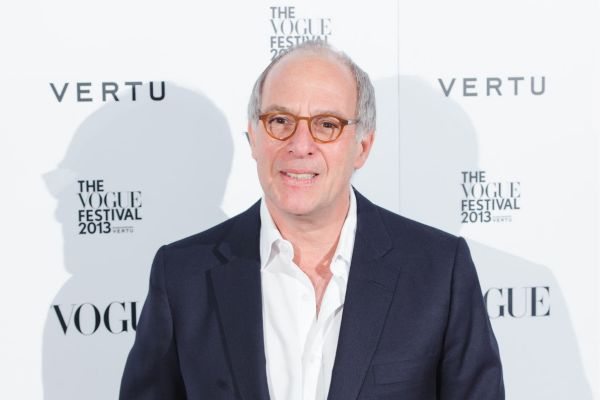
Introduction
When people hear the name Loyd Grossman, they often think of rich pasta sauces sitting on supermarket shelves. But his journey is far more interesting than just food. He is one of those rare personalities who successfully moved from television into business, culture, and heritage — all while staying relevant for decades.
From hosting iconic TV shows to building a trusted food brand, Loyd Grossman’s story is a perfect example of how passion and smart thinking can create long-term success.
Early Life and Background
Loyd Grossman was born in Boston, USA, in 1950. Although American by birth, he built most of his career in the United Kingdom. His early life was deeply connected to education and creativity. He studied history, which later played a big role in shaping his interest in culture and heritage.
Before becoming a household name, he worked as a journalist and music critic. This phase of his life helped him understand media, storytelling, and audience engagement — skills that later became crucial in his television career.
Rise to Fame on British Television
MasterChef and His Unique Style
One of his most famous roles was hosting MasterChef. His calm yet distinctive presentation style made him stand out. Unlike loud or dramatic hosts, he brought a thoughtful and slightly quirky personality to the screen.
Through the Keyhole
Another major success was Through the Keyhole, a show where viewers guessed which celebrity lived in a featured house. His narration style became iconic, and people still remember his voice and expressions today.
His television career helped him build trust with audiences. People saw him as knowledgeable, reliable, and a bit different — which later helped his brand grow.
The Birth of a Food Brand
In 1995, Loyd Grossman made a smart move that changed his career completely. He launched his own range of cooking sauces under the brand Loyd Grossman Sauces.
At that time, ready-made sauces were already available, but many lacked a premium feel. Grossman positioned his products differently.
What Made His Sauces Special
Instead of being just another supermarket product, his sauces focused on rich, authentic flavours, high-quality ingredients, and easy cooking for busy people. The idea was simple: help people cook restaurant-style meals at home without stress.
Popular Products That Built the Brand
Pasta Sauces
His pasta sauces are among the most popular. They are designed for quick meals without compromising taste.
Bolognese sauce
Tomato and chilli sauce
Creamy pasta sauces
These are perfect for someone who wants a quick dinner after a long day.
Pizza and Cooking Bases
The brand also introduced pizza sauces and bases, making homemade pizza easier.
Pizza base sauces
Rich tomato pizza toppings
It’s like bringing a mini Italian kitchen into your home.
Lasagne and Speciality Sauces
Lasagne sauces became another favourite. They help simplify what is usually a time-consuming dish.
Lasagne sauces
Layered cooking sauces for oven meals
Think of it like a shortcut — you still cook, but with less effort.
Why People Trust Loyd Grossman Products
One big reason for the brand’s success is trust. People already knew Loyd Grossman from television, so when they saw his name on food products, they felt confident trying them.
Consistency Matters
The taste and quality stayed consistent over the years. When someone buys the same sauce again, they expect the same flavour — and that reliability builds loyalty.
Easy for Everyday Life
Imagine coming home tired and not wanting to cook something complicated. You grab a jar, heat it, mix it with pasta — and dinner is ready in minutes. That convenience is what made the brand popular.
Beyond Food: A Passion for Culture and Heritage
Work in Cultural Organisations
He has been involved in various cultural and heritage organisations in the UK. His role often focuses on preserving history and promoting arts.
Supporting Museums and History
Because of his background in history, he actively supports museums and historical projects. This shows a different side of him — not just a businessman, but someone who values culture and learning.
Recognition and Achievements
Knighthood
In 2025, he was awarded a knighthood, becoming Sir Loyd Grossman. This honour reflects his impact not only in business and media but also in cultural and public service.
It’s not something you get just for being famous — it shows long-term contribution to society.
Business Strategy Behind His Success
Turning Fame into Business
Many celebrities try to launch products, but not all succeed. Grossman did it right by choosing a product people actually need, ensuring quality instead of just relying on his name, and building long-term trust.
Understanding the Audience
He knew his audience — busy households who want good food without spending hours cooking. That’s why his sauces are simple to use but still feel premium.
Lessons You Can Learn from Loyd Grossman
Don’t Stick to One Path
He moved from journalism to television to business and culture. You don’t have to stay in one lane forever.
Build Trust First
People trusted him before buying his products. Trust is more valuable than marketing.
Keep Things Simple
His sauces succeed because they solve a simple problem: quick and tasty meals.
Quality Always Wins
Even with a famous name, poor quality would have failed. He focused on maintaining standards.
The Legacy of Loyd Grossman
Today, Loyd Grossman is known as more than just a TV presenter. He represents a mix of creativity, business sense, and cultural awareness.
His sauces continue to be widely used, his television work remains memorable, and his contributions to arts and heritage are respected. He is a great example of how someone can evolve over time while staying relevant.
Conclusion
The story of Loyd Grossman is not just about fame or food. It is about smart decisions, consistency, and understanding people’s needs.
From hosting television shows to creating one of the UK’s most recognised sauce brands, he built a career that blends creativity and business perfectly.
Next time you see a jar of his sauce, it’s not just food — it’s the result of years of experience, trust, and smart thinking.