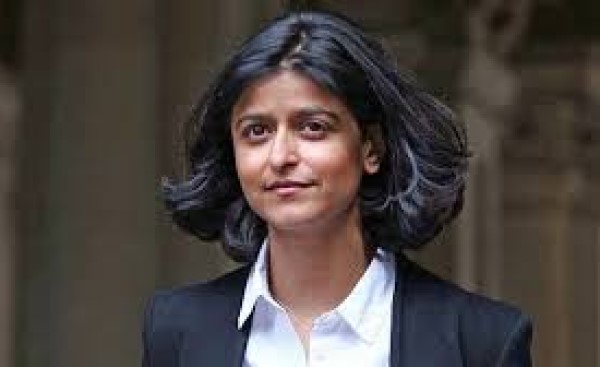

Munira Mirza is a name that has increasingly become synonymous with political strategy and cultural insight in the United Kingdom. Rising from humble beginnings in Greater Manchester, she has become one of the most influential figures in contemporary British politics, serving as a trusted adviser in government while shaping public discourse on culture, education, and governance. This article explores her life, career, and impact, highlighting why Munira Mirza remains a significant figure in modern UK politics.
Early Life and Education
Munira Mirza was born in May 1978 in Oldham, Greater Manchester, to Pakistani immigrant parents. Growing up in a working-class household, she witnessed firsthand the challenges faced by minority communities in Britain. These early experiences played a crucial role in shaping her understanding of social issues, education, and cultural identity.
From a young age, Munira demonstrated an exceptional intellect and curiosity, excelling academically. She attended local schools before earning a place at Mansfield College, University of Oxford, where she studied English Literature. Her interest in culture and society continued to grow, leading her to pursue a Master’s and PhD in Sociology at the University of Kent. Her doctoral research focused on cultural policy, setting the stage for her future work bridging academia and government.
Entry into Public Policy and Culture
After completing her studies, Munira Mirza’s career path took her into the world of cultural institutions and think tanks. Her early professional work included advising on cultural strategy, education policy, and the arts. She quickly earned a reputation as an intellectual with a deep understanding of the intersections between culture, society, and public policy.
Munira has consistently emphasised the importance of universalist approaches in culture and education. She argues that high standards in education and broad access to cultural opportunities are essential for societal progress. Her work in this area reflects a commitment to ensuring that cultural enrichment is not limited by class or background, a principle that has guided much of her policy advice throughout her career.
Political Rise: From Deputy Mayor to Number 10
Deputy Mayor for Education and Culture
Munira Mirza’s entry into formal politics came through her appointment as Deputy Mayor for Education and Culture under Boris Johnson when he was Mayor of London. Serving from 2012 to 2016, she oversaw policies that sought to enhance educational outcomes and cultural engagement across the city. Her tenure focused on promoting access to arts and culture, supporting creative industries, and ensuring educational policies were inclusive yet high-performing.
During this period, Munira’s ability to combine analytical thinking with pragmatic policy solutions became evident. She was instrumental in initiatives that strengthened London’s position as a global hub for arts and education, earning recognition for her strategic vision and effective leadership.
Director of the Number 10 Policy Unit
Munira Mirza’s influence expanded significantly when she became Director of the Number 10 Policy Unit under Prime Minister Boris Johnson in 2019. In this senior government role, she was responsible for providing strategic advice across a range of policy areas, including education, culture, social policy, and governance reform.
Her time in Downing Street highlighted her ability to navigate complex political environments while maintaining a focus on evidence-based policy. She played a key role in advising the Prime Minister during critical periods, including Brexit negotiations and domestic policy reforms. Her strategic insight, combined with a deep understanding of societal trends, made her an indispensable part of the government’s decision-making team.
Resignation and Principles
In February 2022, Munira Mirza resigned from her government post in a move that drew national attention. Her resignation was prompted by a disagreement with comments made by the Prime Minister, reflecting her long-standing commitment to principle over politics. The decision underscored her reputation as a figure who prioritises integrity and thoughtful analysis over personal ambition.
Contributions to Academia and Thought Leadership
Beyond her political roles, Munira Mirza has remained active in academia and intellectual discourse. She has served as an Honorary Professor at the Strategy and Security Institute, contributing to research and debates on governance, strategy, and public policy. Her academic work complements her practical experience, providing a rare combination of theoretical insight and real-world application.
Munira has also written extensively on cultural policy, identity, and multiculturalism. Her arguments often challenge prevailing orthodoxies, emphasising the importance of meritocracy, universalism, and social cohesion. She has been vocal about the need for balanced public policy that empowers individuals while maintaining societal harmony.
Advocacy and Public Engagement
Civic Future
After leaving government, Munira Mirza took on the role of Chief Executive of Civic Future, an organisation focused on developing talent for public service and enhancing governance. Through this platform, she continues to influence public life, supporting initiatives that strengthen institutions, encourage civic engagement, and foster leadership.
Cultural and Educational Boards
Munira has contributed to a number of cultural institutions, including the Royal Opera House, the Institute of Contemporary Arts, and the Royal College of Music. Her leadership in these roles reflects a consistent belief in the transformative power of culture and education. She has advocated for policies that promote access and inclusivity, ensuring that artistic and educational opportunities reach a broad spectrum of society.
Public Commentary
As a commentator, Munira Mirza is known for her clarity of thought and willingness to challenge conventional wisdom. She has written and spoken about issues ranging from Brexit and governance reform to cultural policy and the role of education in social mobility. Her perspective is informed by both her academic background and her practical experience in high-level government roles, making her contributions highly respected in political and intellectual circles.
The Legacy of Munira Mirza
Munira Mirza’s journey from a working-class background to the corridors of political power is both inspiring and instructive. She represents a model of how intellect, strategic thinking, and principled action can shape public life. Her influence is seen not only in the policies she has helped shape but also in the broader conversations about culture, education, and governance in the United Kingdom.
Championing Meritocracy and Cultural Universalism
A defining aspect of Munira’s work has been her commitment to meritocracy and cultural universalism. She argues that cultural and educational opportunities should be accessible to all, regardless of background, and that talent and hard work must be the primary drivers of success. This philosophy has informed her policy advice and her approach to public service, making her a respected voice on issues of fairness and opportunity.
Bridging Academia and Politics
One of Munira Mirza’s unique strengths is her ability to bridge the gap between academic theory and practical politics. She draws on research and evidence to inform policy decisions while understanding the realities of political implementation. This balance has made her a highly effective strategist and adviser, capable of navigating both intellectual and political landscapes.
Influence on Young Leaders
Through her work with Civic Future and other initiatives, Munira continues to mentor and support the next generation of leaders. She emphasises the importance of education, civic responsibility, and ethical leadership, ensuring that her influence extends beyond immediate policy decisions to the cultivation of future talent in public life.
Conclusion
Munira Mirza is more than just a political adviser; she is a cultural thinker, strategist, and public intellectual whose work has left a lasting impact on the UK. From her early life in Greater Manchester to her roles in Downing Street and cultural institutions, she has consistently demonstrated a commitment to principle, evidence-based policy, and social advancement.
Her journey exemplifies the power of intellect, dedication, and ethical leadership in shaping both public policy and societal discourse. As the UK continues to navigate complex social, cultural, and political challenges, figures like Munira Mirza remind us of the importance of thoughtful, principled guidance in building a fairer and more inclusive society.