
Table of Contents
ToggleIntroduction
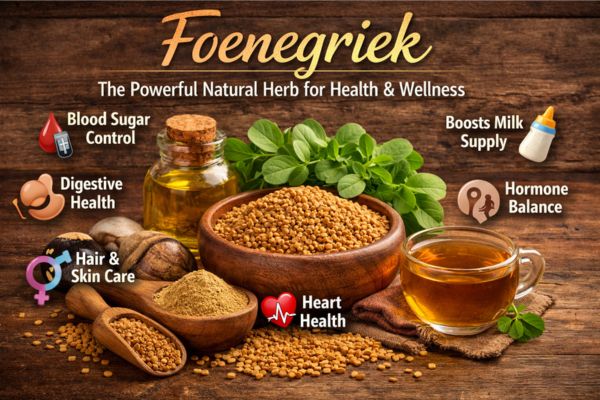
Foenegriek, widely known as fenugreek, is one of the oldest medicinal herbs in the world, celebrated for its remarkable health benefits and versatile uses. From ancient civilisations to modern wellness trends, this humble plant has maintained its reputation as a natural remedy for a wide range of conditions. Whether used in cooking, herbal medicine, or beauty routines, Foenegriek continues to gain global attention for its effectiveness and nutritional value.
In this comprehensive guide, we will explore everything you need to know about Foenegriek, including its origins, health benefits, uses, and potential side effects.
What is Foenegriek?
Foenegriek is a plant that belongs to the legume family and is scientifically known as Trigonella foenum-graecum. It produces small, hard, yellowish-brown seeds that are commonly used in both culinary and medicinal applications.
The plant is native to regions such as the Mediterranean, North Africa, and South Asia. Today, it is widely cultivated across the world, particularly in countries where traditional medicine plays an important role in daily life.
Foenegriek is known by different names in various cultures. In South Asia, it is often referred to as “methi” and is a staple ingredient in many traditional dishes.
Nutritional Profile of Foenegriek
Foenegriek seeds are packed with essential nutrients that contribute to overall health and wellbeing. They are particularly rich in:
- Dietary fibre
- Protein
- Iron
- Magnesium
- Vitamins such as B6
- Antioxidants
The high fibre content in Foenegriek is especially beneficial for digestion and blood sugar control, making it a valuable addition to a balanced diet.
Health Benefits of Foenegriek
Supports Blood Sugar Control
One of the most well-known benefits of Foenegriek is its ability to help regulate blood sugar levels. It contains soluble fibre, which slows down the absorption of carbohydrates in the body. This can be particularly helpful for individuals managing diabetes or those at risk of developing it.
Regular consumption, when used appropriately, may contribute to improved insulin sensitivity.
Enhances Digestive Health
Foenegriek has been traditionally used to support digestion. It can help relieve issues such as:
- Constipation
- Indigestion
- Bloating
The natural compounds found in the seeds soothe the digestive tract and promote smoother bowel movements.
Boosts Milk Production in Breastfeeding Mothers
Foenegriek is widely recognised as a natural galactagogue, meaning it may help increase breast milk production. Many nursing mothers use it as a herbal supplement to support lactation.
However, it is always advisable to consult a healthcare professional before use during this period.
Supports Hormonal Balance
Foenegriek has been studied for its potential role in balancing hormones. In men, it may help support testosterone levels, while in women, it may assist in managing hormonal fluctuations.
This makes it a popular supplement among individuals looking to improve energy levels, strength, and overall vitality.
Promotes Heart Health
Another important benefit of Foenegriek is its potential to support heart health. It may help reduce levels of bad cholesterol (LDL) while maintaining good cholesterol (HDL).
This contributes to better cardiovascular function and reduces the risk of heart-related issues.
Anti-Inflammatory Properties
Foenegriek contains natural compounds with anti-inflammatory effects. These properties may help reduce inflammation in the body, which is often linked to chronic diseases.
Regular use, in moderation, may contribute to improved overall health and reduced discomfort from inflammatory conditions.
Culinary Uses of Foenegriek
A Key Ingredient in Traditional Dishes
Foenegriek is widely used in cooking, particularly in Indian, Middle Eastern, and North African cuisines. The seeds and leaves are both edible and offer distinct flavours.
The seeds have a slightly bitter taste with a hint of sweetness, often compared to maple syrup. They are commonly used in:
- Curries
- Spice blends
- Pickles
- Breads
Fresh Leaves and Dried Forms
In addition to seeds, Foenegriek leaves are also used in cooking. Fresh leaves add a unique aroma to dishes, while dried leaves are often used as a seasoning.
This versatility makes Foenegriek an essential ingredient in many kitchens around the world.
Foenegriek in Herbal Medicine
Traditional Healing Practices
For centuries, Foenegriek has been used in traditional medicine systems such as Ayurveda and herbal healing practices. It has been valued for its ability to treat a wide range of ailments naturally.
Common uses include:
- Managing digestive issues
- Supporting respiratory health
- Improving overall energy levels
Modern Supplement Forms
Today, Foenegriek is available in various forms, including:
- Capsules
- Powders
- Herbal teas
- Extracts
These modern formats make it easier for people to incorporate Foenegriek into their daily routines.
Beauty and Hair Care Benefits
Promotes Healthy Hair
Foenegriek is often used in natural hair care remedies. It is believed to:
- Strengthen hair roots
- Reduce hair fall
- Promote hair growth
Many people use soaked seeds or powdered Foenegriek as a hair mask to improve scalp health.
Supports Skin Health
The anti-inflammatory and antioxidant properties of Foenegriek also make it beneficial for the skin. It may help:
- Reduce acne
- Soothe irritation
- Improve skin texture
Regular use in face masks or topical applications can enhance the skin’s natural glow.
How to Use Foenegriek
Soaked Seeds
One of the simplest ways to consume Foenegriek is by soaking the seeds overnight and eating them in the morning. This method helps release beneficial compounds and makes the seeds easier to digest.
Foenegriek Tea
Foenegriek tea is another popular option. It is made by boiling the seeds in water and consuming the liquid. This can be particularly helpful for digestion and relaxation.
Powder Form
Ground Foenegriek can be added to food or taken with water. It is a convenient way to include the herb in your daily diet.
Possible Side Effects and Precautions
While Foenegriek offers numerous benefits, it is important to use it responsibly.
Common Side Effects
Some individuals may experience:
- Mild digestive discomfort
- Diarrhoea
- Bloating
In some cases, it may also cause a distinctive body odour similar to maple syrup.
Important Precautions
- Pregnant women should avoid excessive consumption, as it may stimulate uterine contractions.
- Individuals with medical conditions should consult a healthcare professional before use.
- People taking medication for blood sugar should monitor levels carefully, as Foenegriek may enhance its effects.
Moderation is key to enjoying the benefits of this powerful herb without unwanted side effects.
The Growing Popularity of Foenegriek
In recent years, Foenegriek has gained popularity as part of the global wellness movement. With more people turning towards natural remedies, this ancient herb has found its place in modern health practices.
Its versatility, affordability, and wide range of benefits make it an attractive option for those seeking natural ways to improve their wellbeing.
Conclusion
Foenegriek is much more than just a culinary spice; it is a powerful natural remedy with a rich history and a wide range of health benefits. From supporting digestion and blood sugar control to enhancing hair and skin health, it offers something for everyone.
As interest in natural health solutions continues to grow, Foenegriek remains a trusted and effective choice. By incorporating it into your daily routine in a balanced and mindful way, you can experience its full potential and enjoy a healthier lifestyle.
Whether you are exploring herbal medicine or simply looking to enhance your diet, Foenegriek is a valuable addition worth considering.