
Exploring the life, career and creative legacy of one of Britain’s most innovative animation filmmakers
Introduction
Daisy Jacobs has emerged as one of the most original voices in British animation. Renowned for blending hand-painted artwork with stop-motion techniques, she has built a reputation for producing emotionally powerful films that resonate with audiences around the world. Through her unique visual style and deeply human stories, Daisy Jacobs has helped redefine what modern animation can achieve.
From award-winning short films to international recognition, her journey demonstrates how creativity and determination can transform unconventional ideas into cinematic masterpieces. Her work combines artistic innovation with themes of family, memory, ageing and personal relationships, making her one of the most respected animators in the United Kingdom.
Who Is Daisy Jacobs?
Daisy Jacobs is a British animator, writer and film director known for her inventive storytelling techniques. Born in 1989 and raised in Hampshire, England, she developed an interest in art and illustration from an early age. Her passion eventually led her to pursue formal studies in animation and design.
Over the years, Daisy Jacobs has become celebrated for creating visually distinctive films that combine painted sets, stop-motion animation and live-action elements. Her projects have received critical acclaim and numerous prestigious honours, establishing her as a leading figure within the animation industry.
Early Life and Education
Creativity played an important role in Daisy Jacobs’ childhood. Growing up in Hampshire, she spent much of her time drawing and exploring artistic ideas. Her love of visual storytelling eventually inspired her to study graphic design and illustration.
She attended Central Saint Martins in London, one of Britain’s most respected art institutions. During her studies, she developed a strong foundation in animation and storytelling. Later, she continued her education at the National Film and Television School, where she refined her techniques and began creating projects that would gain international attention.
Her academic background provided the perfect environment for experimentation, allowing her to develop the artistic style that would later become her signature.
The Beginning of Her Career
Daisy Jacobs began attracting attention while still studying. Her early short films demonstrated not only technical skill but also a remarkable ability to tell emotionally compelling stories.
Among her first notable works were:
Don Justino de Neve (2011)
This short film showcased her talent for hand-drawn animation and creative storytelling. Inspired by classical artwork, the project highlighted her ability to combine historical influences with modern themes.
Tosh (2012)
Another early production, Tosh helped further establish Daisy Jacobs as a filmmaker willing to experiment with style and narrative. These projects laid the groundwork for her future success.
The Bigger Picture: A Career-Defining Achievement
The film that truly transformed Daisy Jacobs’ career was The Bigger Picture.
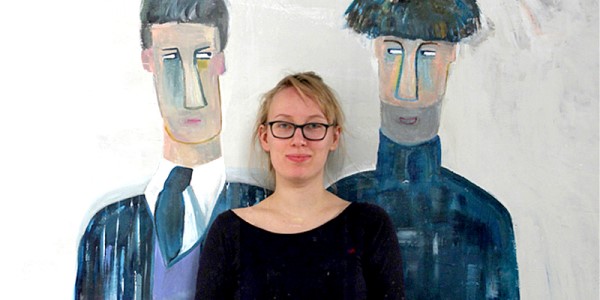
Released in 2014, the animated short tells the story of two brothers struggling with the care of their ageing mother. Rather than relying on conventional animation methods, Daisy Jacobs introduced an extraordinary approach involving life-sized painted characters interacting with real objects and sets.
Why the Film Was Unique
Several factors made the film stand out:
- Hand-painted life-sized figures.
- Integration of two-dimensional and three-dimensional elements.
- Emotional storytelling centred on family and ageing.
- Innovative use of stop-motion techniques.
The result was a visually striking and deeply moving experience that captivated audiences and critics alike.
International Recognition and Awards
The success of The Bigger Picture brought Daisy Jacobs worldwide acclaim. The film received numerous honours and became one of the most celebrated British animated shorts of its time.
BAFTA Success
One of the biggest achievements in the career of Daisy Jacobs came when the film won the BAFTA Award for Best British Short Animation.
This recognition cemented her reputation as one of the UK’s most talented filmmakers.
Academy Award Nomination
The film also earned an Academy Award nomination for Best Animated Short Film. Being recognised by Hollywood represented a major milestone and introduced Daisy Jacobs to a global audience.
Cannes Recognition
The project additionally received praise at the Cannes Film Festival, further highlighting her ability to create films that combine artistic ambition with universal themes.
The Full Story: Pushing Creative Boundaries
After the success of The Bigger Picture, Daisy Jacobs continued to challenge conventional filmmaking with The Full Story.
Released in 2017, the film explored childhood memories, divorce and emotional trauma. Once again, she employed unconventional visual methods by combining animation with live-action performances.
Themes Explored
The film addressed subjects such as:
- Family separation.
- Childhood memories.
- Emotional healing.
- Personal identity.
- The passage of time.
Through these themes, Daisy Jacobs demonstrated her ability to tackle serious subjects with sensitivity and imagination.
A Distinctive Artistic Style
What makes Daisy Jacobs particularly remarkable is her refusal to follow traditional animation rules.
Large-Scale Painted Worlds
Instead of creating entirely digital environments, she paints enormous sets and characters. This approach allows her stories to feel immersive and visually unique.
Emotional Storytelling
Her films are driven by emotions rather than spectacle. Family relationships, loss, ageing and memory often take centre stage.
Combining Multiple Techniques
Daisy Jacobs seamlessly blends:
- Hand-painted artwork.
- Stop-motion animation.
- Live-action performances.
- Practical sets.
- Three-dimensional props.
This fusion creates a style that few filmmakers have managed to replicate.
Influence on British Animation
Daisy Jacobs has become an inspiration for young animators across Britain. Her success proves that independent filmmakers can achieve global recognition without relying on major studios.
Many emerging artists admire her willingness to experiment and her dedication to storytelling. She has shown that animation can address complex emotional themes while remaining visually captivating.
Her work has helped expand perceptions of animation, proving that the medium is not limited to children’s entertainment but can also tackle mature and meaningful subjects.
Challenges Behind the Scenes
Creating films using unconventional methods is far from easy. Daisy Jacobs has spoken about the physical and technical demands involved in producing her projects.
Building life-sized sets, painting massive characters and coordinating intricate stop-motion sequences require patience and perseverance. Some productions take years to complete, involving countless hours of detailed work.
Despite these challenges, Daisy Jacobs remains committed to pushing creative boundaries and exploring new possibilities within animation.
Personal Life
Unlike many public figures, Daisy Jacobs prefers to keep her private life away from media attention. She focuses primarily on her work and artistic projects rather than seeking celebrity status.
This privacy has allowed her to maintain a strong emphasis on creativity and storytelling. Her films often draw inspiration from personal experiences and observations, adding authenticity and emotional depth to her work.
Legacy and Future Prospects
As British animation continues to evolve, Daisy Jacobs remains one of its most influential creative voices. Her willingness to experiment with form and narrative has left a lasting impact on contemporary filmmaking.
Industry experts and fans alike eagerly anticipate future projects, expecting her to continue delivering stories that challenge conventions and touch audiences on a profound level.
Whether through innovative techniques or emotionally rich narratives, Daisy Jacobs consistently demonstrates that animation can be both artistic and deeply human.
Conclusion
Daisy Jacobs has established herself as one of Britain’s most distinctive and imaginative filmmakers. Through groundbreaking works such as The Bigger Picture and The Full Story, she has proven that animation can explore profound emotional experiences while pushing artistic boundaries.
Her achievements, including BAFTA recognition and an Academy Award nomination, reflect the extraordinary talent and dedication that define her career. As she continues to evolve as an artist, Daisy Jacobs remains a shining example of how creativity and originality can transform storytelling and leave a lasting mark on cinema.